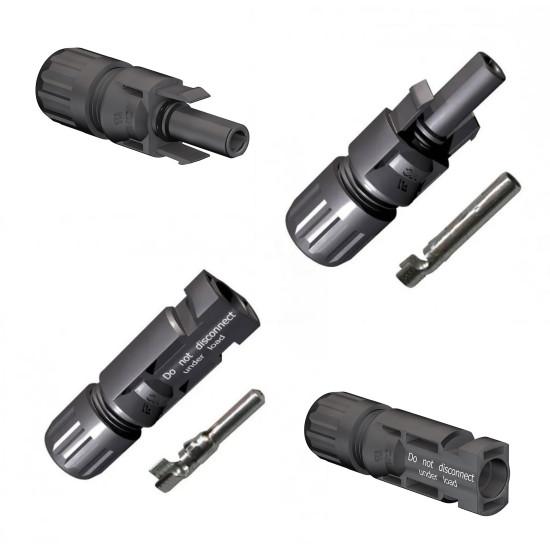
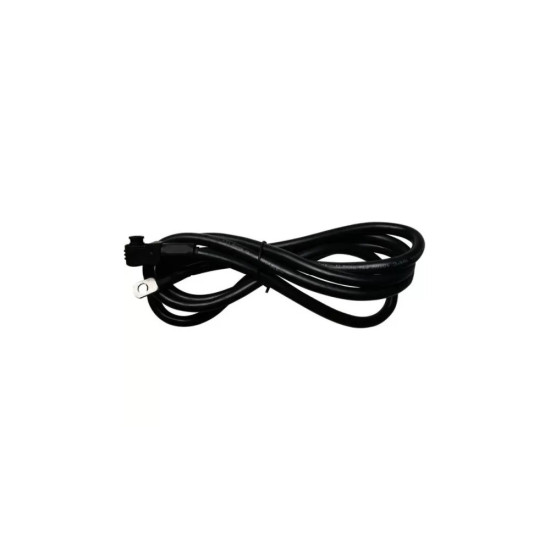
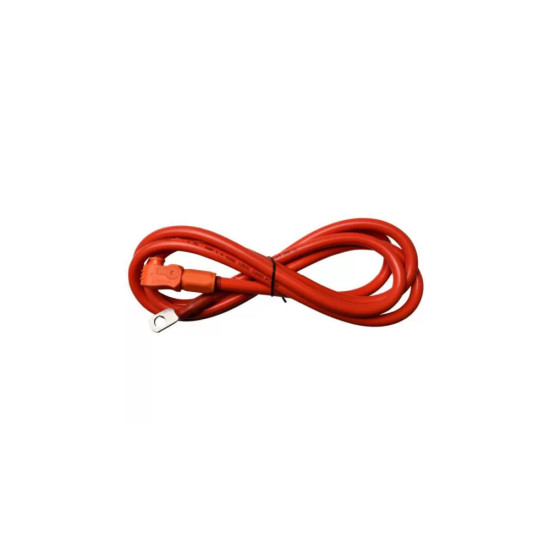
These are the connectors fitted to the end of the solar cable, to link the panels to each other and on to the inverter. They come in a pair, one female and one male, and when coupling you hear and feel a clear click. After that click they can no longer be pulled apart by hand, only with a dedicated key: it is a safety rule, because a panel circuit must not be disconnected by mistake while it is producing current.
The cable gland, that is the nut which tightens onto the cable, is dimensioned for wires with an outer diameter of 5-6 mm, which in practice means photovoltaic cable of 4 mm² and 6 mm² type H1Z2Z2-K. Coupled, the two halves form a water- and dust-tight joint, suitable for permanent outdoor mounting; uncoupled, the contacts remain protected against touch. Fitting is done by crimping, with a suitable tool, not with a universal one, and the gland must be tightened correctly, otherwise both the sealing and the protection against cable pull-out are lost. Being a generic MC4-compatible product, the exact electrical values, voltage of 1000 or 1500 V direct current and rated current, depend on the certification of the actual manufacturer of the batch.
Pair of MC4-compatible photovoltaic connectors (1 × female + 1 × male), contact system with 4 mm diameter, crimped contact, gland for cable outer diameter 5-6 mm, usual cross-section 4-6 mm² on H1Z2Z2-K solar cable. Latch locking, uncoupling only with a tool (MC4 key), IP2X touch protection in the uncoupled state. Multi-stranded tinned copper cable and crimping with a dedicated tool are recommended, followed by tightening the gland for sealing and strain relief. Both ends of a joint must be of the same type and from the same manufacturer; pairing different brands, even if they couple mechanically, is not covered by IEC 62852 certification and is a frequent cause of overheating of the contact points.
Who it suits
Suited to residential installations and off-grid systems wired with 4-6 mm², to extension leads made on site and to spot replacements in existing installations with connectors of the same type.
Terms explained
- Crimped contact: The metal part inside the connector is pressed onto the copper wire with a special tool, which gives a tight and durable connection, without screws that can work loose.
- IP2X: A protection level that guarantees you cannot touch the live part with your finger, even if the connector is not yet coupled.
- IEC 62852: The international standard for connectors in photovoltaic installations; it applies to a pair of connectors tested together, not to connectors mixed from different manufacturers.
Technical specifications
| Type | Pereche conectori fotovoltaici compatibili MC4 (1 x mama + 1 x tata) |
|---|
| Contact system | Diametru 4 mm, contact sertizat |
|---|
| Accepted cable outer diameter | 5 - 6 mm |
|---|
| Usual conductor cross-section | 4 - 6 mm2 (cablu solar H1Z2Z2-K) |
|---|
| Locking system | Clichet cu decuplare numai cu scula (cheie MC4) |
|---|
| Fitting | Sertizare contact + insurubare presetupa pentru etansare si descarcare de tractiune |
|---|
| Touch protection (uncoupled) | IP2X |
|---|
Recommended applications
- Terminating string cables between panels and inverter
- Making extension leads for 4-6 mm2 solar cable
- Repairs and connector replacements in existing installations
- Residential installations and off-grid systems on 6 mm2 cables
Technical details
Generic product — standard specifications
The set contains a female connector and a male connector compatible with the MC4 coupling standard, the most widespread DC connector system in photovoltaics. The central contact has a diameter of 4 mm and is crimped onto the conductor of the solar cable, after which the connector body is closed with the threaded gland. The gland is dimensioned for cable with an outer diameter of 5-6 mm, which in practice corresponds to photovoltaic cable of 4 mm2 and 6 mm2 type H1Z2Z2-K.
The two halves are coupled by latch locking, with a clear tactile and audible sensation on engagement. Uncoupling cannot be done by simply pulling, but requires pressing the two side tabs simultaneously, usually with a dedicated MC4 key - a safety requirement, because a DC string circuit must not be disconnected accidentally under load. In the uncoupled state the contacts remain protected against touch, and in the coupled state the joint is water- and dust-tight, suitable for permanent outdoor mounting.
Being a generic MC4-compatible product, the exact electrical values (voltage 1000 V or 1500 V DC, rated current) depend on the certification of the actual manufacturer of the batch. In terms of fitting, the same rules apply as for branded connectors: crimping with the correct tool (not with a universal tool), multi-stranded tinned copper cable, and tightening the gland to ensure sealing and strain relief.
The basic technical recommendation is that both ends of a joint should be of the same type and the same manufacturer. Mixing connectors of different brands, even if they couple mechanically, is not covered by IEC 62852 certification and is the frequent cause of overheating of the contact points.