K2 Systems
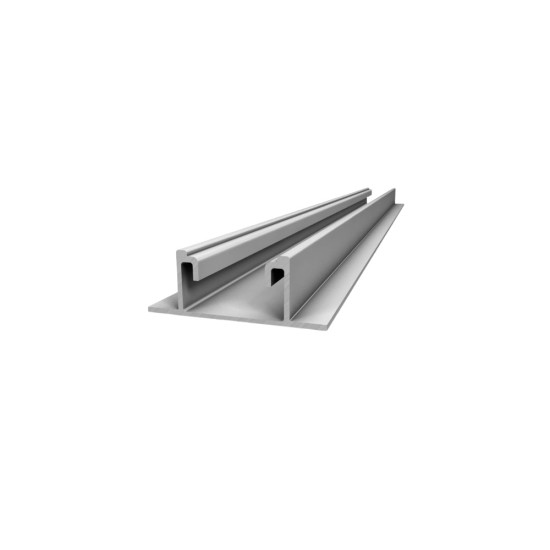
Basic Rail 22 - K2 mounting rail 4800 mm
It supports the panels on a sheet metal roof without loading it: a 4.8 m aluminium profile that weighs about 3.1 kg and raises the modules by only 22.5 mm.
161,39 RON incl. VATexcl. VAT: 133,38 RON
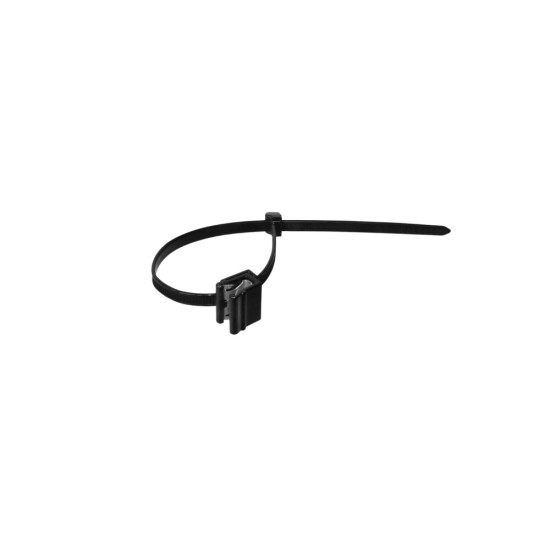
Keeps the cables tight on the structure so that they do not chafe against the sheet metal in the wind. Outdoor cable tie, 200 x 4,6 mm, with the possibility of chaining for thick bundles.
This is the tie with which the panel cables are fastened to the mounting structure, so that they do not hang loose. It seems an insignificant detail, but a cable left to swing rubs against the edges of the sheet metal or of the profiles with every gust of wind. Over time, the insulation wears out, and where the insulation gives way serious electrical faults appear.
The tie is 200 mm long and 4,6 mm wide, and several ties can be chained together when the cable bundle is thicker than one alone can encompass. On the roof only ties intended for outdoor use, UV stabilised, are used; ordinary ones of unstabilised polyamide become brittle after a few seasons of exposure and give way. During installation the cables are fixed at regular intervals on the rail or on the structure, fastening directly on the roof covering is avoided, and the cable loops are kept out of the areas where water pools. The tie is tightened firmly, but without crushing the conductor insulation.
Reference in the K2 catalogue: Solar Cable Manager, article code 2002870, dimensions 200 x 4,6 mm (L x w), intended for outdoor installation, with the possibility of chaining for larger bundle sections. Use: fixing and organising the direct current cables of the photovoltaic system on the mounting structure, to eliminate mechanical wear through rubbing and the consequent risk of insulation fault, electric arc in direct current and fire.
Necessary in any roof photovoltaic installation, regardless of size, as part of the management of the wiring permanently exposed to sun, rain and wind.
| Reference in the K2 catalogue | Solar Cable Manager, cod articol 2002870 |
|---|---|
| Dimensions | 200 x 4,6 mm (L x l) |
| Purpose | Instalare in exterior |
| Functional feature | Posibilitate de inlantuire a mai multor coliere |
| Use | Fixarea cablurilor solare pe structura de montaj |
Series-level specifications — valid for the product family
Plastic tie for fixing and organising the direct current cables of the photovoltaic system on the mounting structure. In the K2 catalogue, the corresponding product is Solar Cable Manager, article code 2002870, with dimensions of 200 x 4,6 mm (length x width), intended for outdoor installation and provided with the possibility of chaining, that is several ties can be joined together in order to encompass thicker cable bundles.
The role of this element is frequently underestimated, but it is critical for the durability of the installation. Solar cables left to hang loose rub against the edges of the sheet metal or of the profiles with every gust of wind; over time, the insulation wears out, insulation faults appear, along with electric arc in direct current and fire risk. Fixing the cables at regular intervals on the rail or on the structure eliminates this mechanical wear.
For roof installation only ties intended for outdoor use, with UV stabilisation, are used - ordinary ties of unstabilised polyamide become brittle after a few seasons of exposure and give way. It is recommended to avoid fixing the cables directly on the roof covering, to keep the cable loops out of the pooling areas and to tighten the tie without crushing the conductor insulation.
It supports the panels on a sheet metal roof without loading it: a 4.8 m aluminium profile that weighs about 3.1 kg and raises the modules by only 22.5 mm.
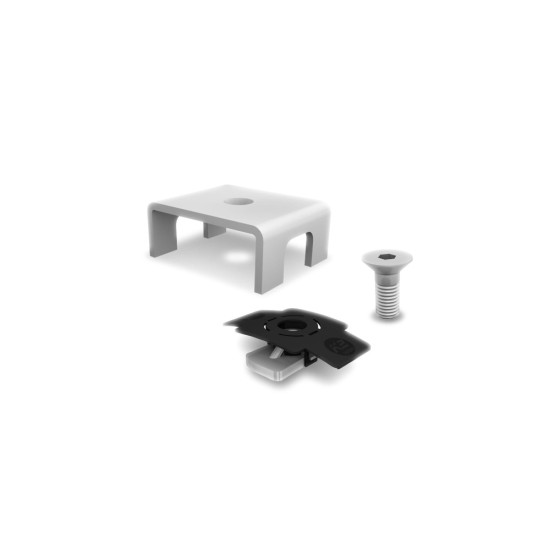
It prevents the rail from migrating on the roof: a fixed point that locks the BasicRail 22 bar and splits the expansion towards both ends. K2 BasicLock 22 set, code 1003558.
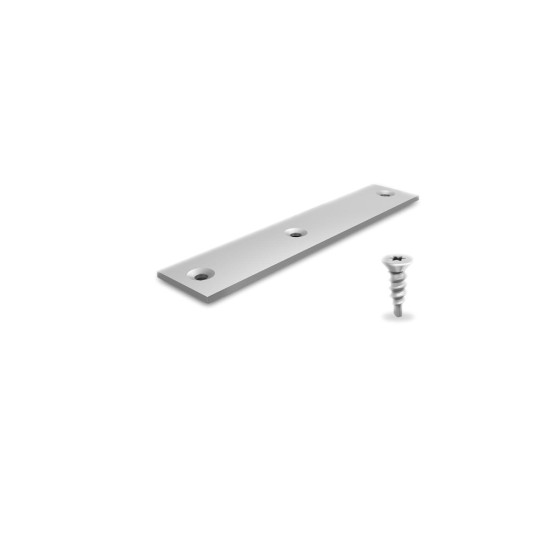
It joins two rails end to end so that you get a continuous row, without cutting bars. Aluminium and A2 stainless steel, 3 fixing holes, Torx T25 screws included.
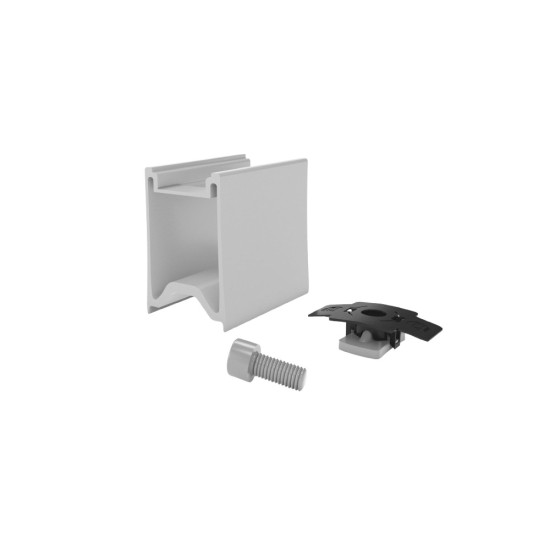
Lifts the panels off the rail so air can circulate underneath: cooler modules lose less power, and there is room for microinverters below. K2 RailUp set, code 2003191.