Deye
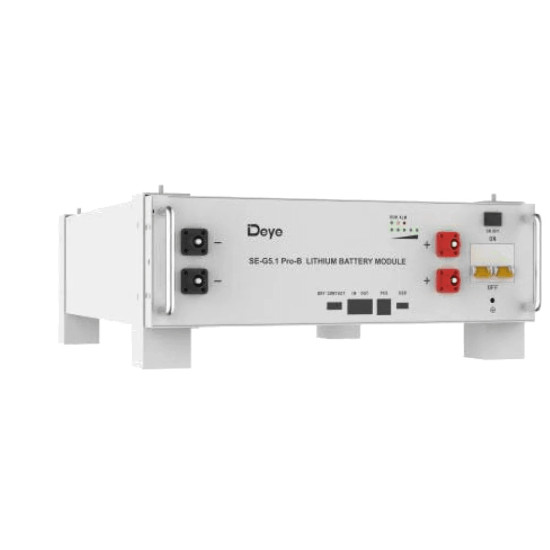
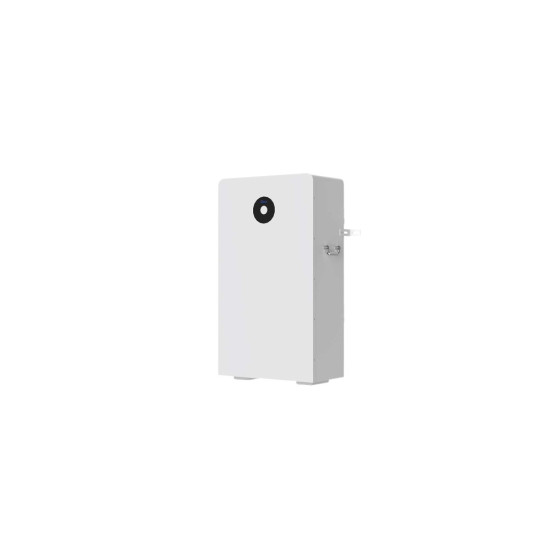
Deye RW-F16 battery, 16 kWh, LiFePo4
Autonomy for a whole evening: 16 kWh, of which 14.4 kWh usable, 160 A continuous and a 300 A peak for appliances that are hard to start.
LV
11.205,83 RON incl. VATexcl. VAT: 9.261,02 RON
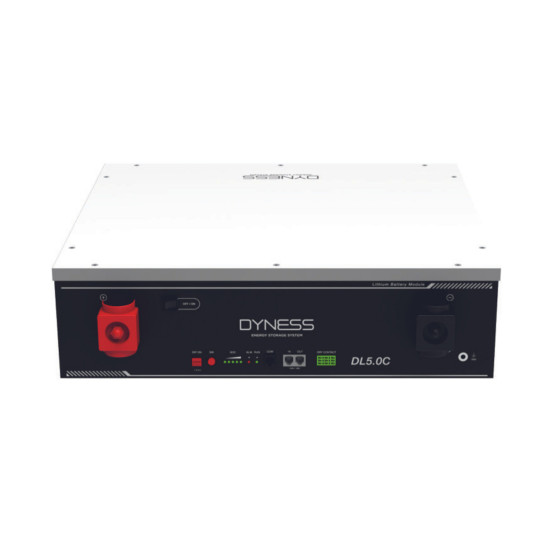
Battery of 5,12 kWh for hybrid inverters on 48 V: over 6000 cycles, 100 A continuous discharge and the possibility of connecting up to 50 modules in parallel.
DL5.0C is a wall or rack battery that keeps the energy produced by the panels, or taken from the grid at cheap hours, and gives it back when you need it. It pairs with the hybrid and off-grid inverters on 48 V, the most widespread in house and cabin installations. It has its own electronic brain, called BMS, which supervises each cell and stops the battery if something goes outside the parameters. It requires no maintenance: you mount it, connect it to the inverter and it works by itself.
The module stores 5,12 kWh, of which 4,608 kWh are used at the recommended depth of discharge of 90%. It can deliver 100 A continuously, that is around 5 kW at the voltage of 51,2 V, enough for the usual loads of a house, with a peak of 110 A for 15 seconds when motors start. The declared life exceeds 6000 cycles, which means roughly over 15 years at one full cycle a day. The integrated heating system makes it usable in cold spaces too: discharging goes down to -20 °C, while charging needs at least 0 °C. It weighs 54 kg and has an IP20 protection rating, so it is mounted indoors, on the wall or in a rack, and if the reserve becomes insufficient, modules are added in parallel, up to 50 pieces.
LiFePO4 cells, 5,12 kWh / 100 Ah, rated voltage 51,2 V, working range 44,8-57,6 V, usable energy 4,608 kWh at 90% DoD, over 6000 cycles. Recommended regime 0,5C on charge and discharge, maximum 1C on discharge: 75 A maximum continuous charge current, 100 A discharge, 110 A peak for 15 s. Integrated BMS with cell balancing and protections against overvoltage, undervoltage, overcurrent, short circuit and temperature, plus heating system; charging 0...+55 °C, discharging -20...+55 °C. Communication CAN, RS485 or RS232, with protocols compatible with most hybrid inverters on the market; 558 x 545 x 150 mm, 54 kg, IP20, up to 50 units in parallel. Product warranty announced by distributors: 10 years.
Suitable for a house or a cabin with a hybrid or off-grid inverter on 48 V and indoor mounting space, which wants to start with one battery and add modules as consumption grows.
| Cell technology | LiFePO4 |
|---|---|
| Rated energy | 5,12 kWh |
| Capacity | 100 Ah |
| Rated voltage | 51,2 V |
| Voltage range | 44,8-57,6 V |
| Usable energy at 90% DoD | 4,608 kWh |
| Recommended regime | 0,5C charge / discharge; max. 1C discharge |
| Maximum continuous charge current | 75 A |
| Maximum continuous discharge current | 100 A |
| Peak current (15 s) | 110 A |
| Service life | over 6000 cycles |
| Charging temperature | 0...+55 °C |
| Discharging temperature | -20...+55 °C |
| Dimensions (W x D x H) | 558 x 545 x 150 mm |
| Weight | 54 kg |
| Protection rating | IP20 |
| Communication | CAN / RS485 / RS232 |
| Expandability | max. 50 units in parallel |
10 years (product warranty announced by distributors)
Specifications confirmed from the manufacturer's datasheet
Dyness DL5.0C is a low-voltage storage module with LiFePO4 cells, with a rated energy of 5,12 kWh, a capacity of 100 Ah and a rated voltage of 51,2 V. The working range is 44,8-57,6 V, compatible with hybrid and off-grid inverters on 48 V. At 90% depth of discharge a usable energy of 4,608 kWh results, and the declared service life exceeds 6000 cycles.
The recommended charge and discharge regime is 0,5C, with maximum discharge at 1C. The maximum continuous charge current is 75 A, the discharge one 100 A, and the allowed peak is 110 A for 15 seconds. The integrated BMS ensures cell balancing and protections against overvoltage, undervoltage, overcurrent, short circuit and temperature and monitors the thermal regime; the unit is provided with a heating system, which makes it usable in cold spaces too. Charging is allowed between 0 and +55 °C, and discharging from -20 up to +55 °C.
Communication with the inverter is done on CAN, RS485 or RS232, with protocols compatible with most hybrid inverters on the market. The module measures 558 x 545 x 150 mm and 54 kg, with IP20 protection rating, being intended for indoor mounting, on the wall or in a rack. Up to 50 units can be connected in parallel, which allows scaling from a residential installation up to small commercial applications.
Autonomy for a whole evening: 16 kWh, of which 14.4 kWh usable, 160 A continuous and a 300 A peak for appliances that are hard to start.
Keeps the energy produced during the day and uses it in the evening: 5.12 kWh, of which 4.6 kWh usable, 19 inch rack format and more than 6000 cycles.
Modular high-capacity battery, from 9.9 up to 26.4 kWh, designed to cover the evening and the night. 30 A continuous, efficiency above 96%, over 6,000 cycles, IP65.
Modular battery for the home, from 5.52 to 13.80 kWh, made for short power peaks. Efficiency above 96%, IP65, expandable up to about 80 kWh usable.